During her time with NASA, Nicole Stott spent 104 days in space on the International Space Station and the Space Shuttle. among her personal accomplishments are becoming the 10th woman to perform a spacewalk, first person to operate the ISS robotic arm to capture a free-flying cargo vehicle and painting the first watercolor in space. This is why Stott, an astronaut, aquanaut, engineer, artist and author, was asked and graciously accepted the invitation to be the featured keynote speaker at the 2026 ABET Symposium.
Nicole’s extraordinary career bridges space exploration with art, advocacy and education. She brings a new perspective on the importance of collaboration, sustainability and the power of creative thinking in the science, technology, engineering and mathematics (STEM) fields.
To learn more about Stott’s background and preview what to expect from her keynote presentation at the 2026 ABET Symposium, we conducted a Q&A:
You’re known as an astronaut, an engineer and an artist. How do you see the relationship between art and science and why do you think that bridge is so important?
I think it is super important. Whether I realized it or not, those things I enjoyed, creating with art then studying science to learn how things fly and fly in space were just all kind of natural parts of me that I was happy to bring together. And as I reflect on my career and path ahead, I realize how important that use of our “whole brain” and bringing all of our talents to bear is to being our best.
In your journey from astronaut to artist to author, did you ever encounter any resistance about crossing barriers and what advice would you give to those looking to break similar barriers?
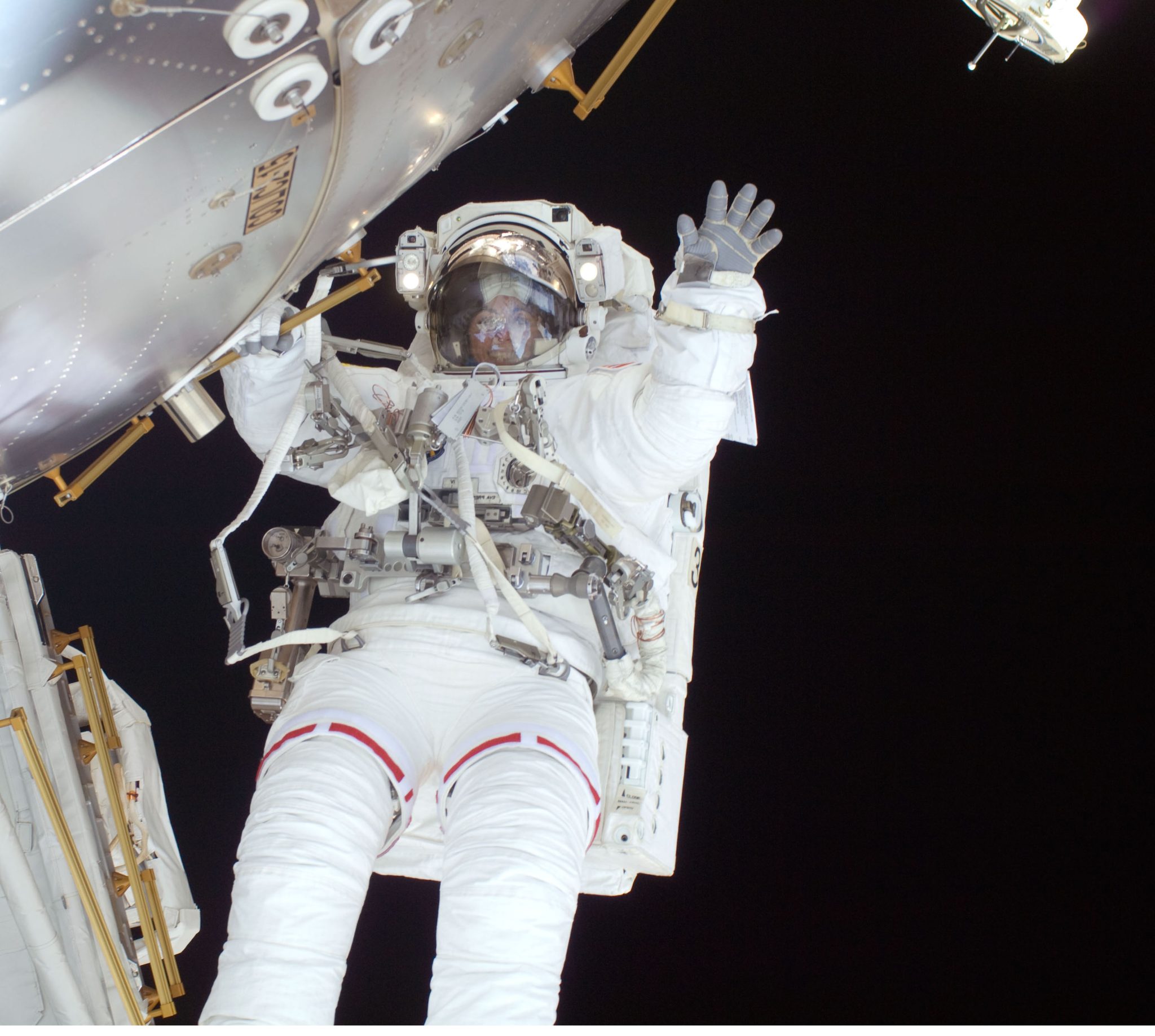
You know, I didn’t really get any resistance. There was surprise, I think, along the way. There was surprise from my astronaut colleagues in that they’re like, oh my gosh, Nicole, you paint too? And then they would go on to tell me -you know, I quilt or I write poetry or, you know, I weaved baskets on the space station. It was kind of this moment of discovery for me, to see, wow, all these people that I’m surrounded with that everyone thinks are so technical, so just in this one lane, really are open to so much more. And so that surprise was fun for me. And I’ve really tried to keep track of that in the work that I’m doing now, how can I relate this thing that seems so odd to people who are artists or are creatives or doing some other kind of technical thing. My friend Sian wanted to paint while she was in space too. She got resistance from the SpaceX team saying it might be messy, we can’t do that. She referred to my experience painting on the International Space Station, which kind of opened up their minds to, wow, there’s a lot more we can do in this place than just doing the science and the technical side of the mission. So, I love that that surprise made opportunities for other people to be able to create in unique places, but also that it raised awareness amongst our own community of the kinds of things that each of us are doing outside of what you think of as our normal job.
One of ABET’s focuses is on building a better world through higher education. Could you tell us a little bit about why you chose to pursue higher education and what you think the value of it is?
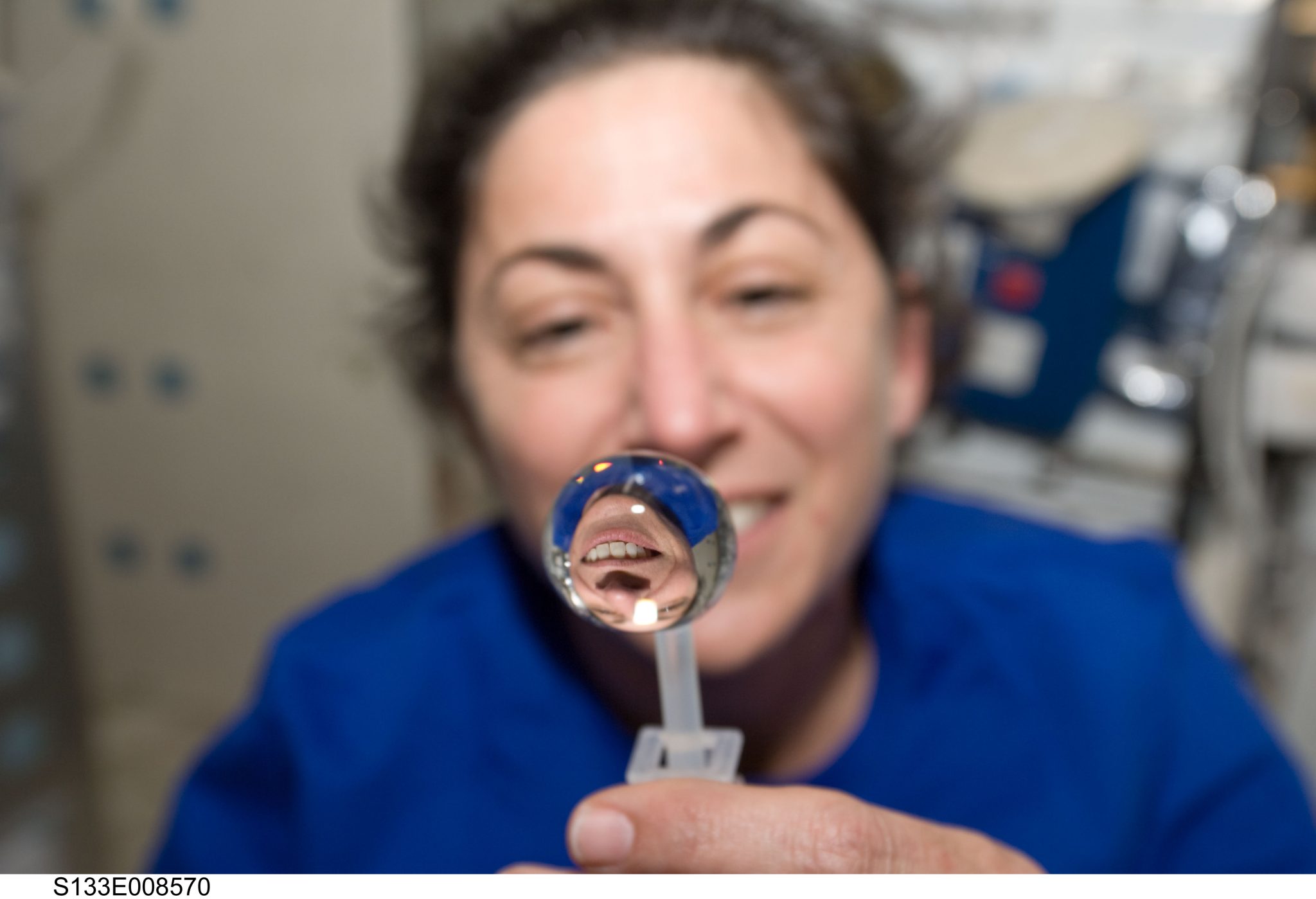
Not everybody’s meant for university, but I think this idea of expanding our horizons, along with what we enjoy, is important. I think it helps bring the best of us. It helps us be wonderful problem solvers in the world where we’re hopefully trying to make life better for not just ourselves, but all life around us. Higher education for me meant a university path. I’m grateful for it. I discovered along the way what I wanted to learn more about, which was how things fly. I’m so grateful for these mentors in high school who just gave me a little bit of scoop about what that was. And while I was studying all that, I was like, man, if you want to know how airplanes fly, why would you not want to know how rocket ships fly? And it all just, it all turned out to be a really important step for me in putting me in a position where I’d even be talking to you today. And every step of the way, I’m grateful to people that really raised my awareness of the opportunities that were out there.
Your foundation, the Space for Art Foundation, turned 10 years old this last year. What most excites you about the next 10 years for the foundation?
Our mission at the Space for Art Foundation is uniting a planetary community of children through the awe and wonder of space exploration and the healing power of art. In a very simple way, space themed art therapy projects. My whole introduction to this world of art therapy was through my friends at the Johnson Space Center. I had retired from NASA and they knew I was doing artsy stuff. I wanted to use art to share what was going on in space on the station and then engage more people in that understanding. I had this little detour with this invitation to paint with some kids at a pediatric cancer center on a project that we determined would be an art spacesuit.
I can tell you from that very first session with these kids I was inspired, and I’m sure far more than any of those kids were by me. I felt like I discovered my next mission in life. I got to go to space and do the things I did so I could come back and work on projects like this. It evolved into the Space for Art Foundation and working with kids all over the world. One of our recent projects had artwork from every country on the planet. We’ve been fortunate to send some of the kid’s artwork to space.
We’re living true to the mission that we have in building this inspiration through space and art and getting these kids into a place where they can think about their futures in a totally different way. They can transcend that place that they’re in that you hope is the worst experience they ever have in their life and inspire them to think about their futures differently.
From some of the space missions to some of your undersea aquanaut expeditions, internal cooperation has been prevalent throughout your career. What do you believe is the value of partnership in interdisciplinary collaboration when addressing some of these complex global challenges?
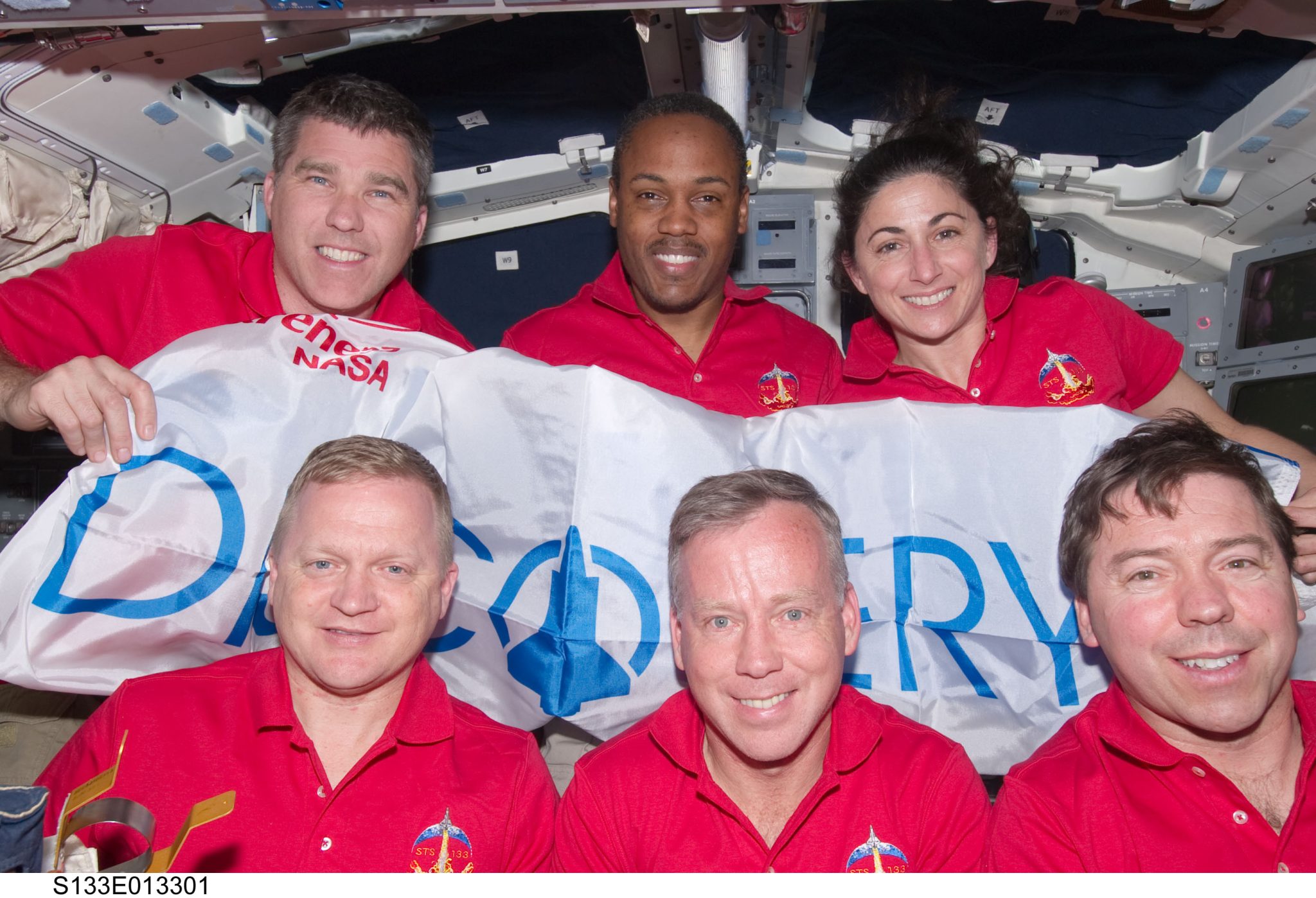
A word we’ve been using along the way is community. I think it’s integral to us solving our greatest challenges, to us living and working peacefully and successfully together. I really do think we’ve demonstrated that on the International Space Station. I’ve found, whether I understood it necessarily or not, but everything I did in training to be an astronaut was built around me understanding I have weaknesses and that other people have strengths that I don’t. How do we bring all of that together in a way that allows us to have mission success?
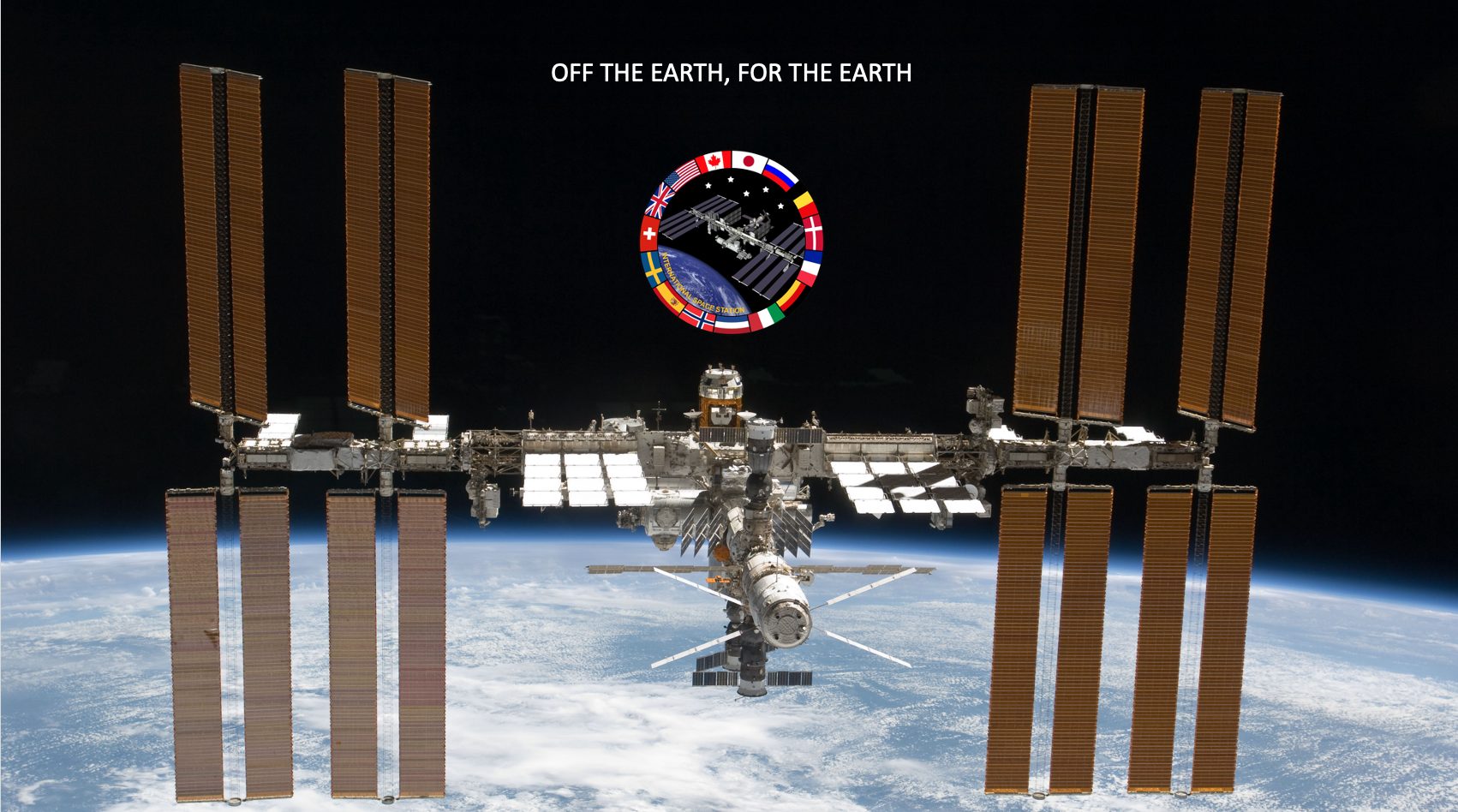
So, all the training I did depended on us working as a healthy team to do that. When I look at that and I look at the global cooperation and partnership that’s gone on with the space station, I think it just proves that this is key to us doing what seems impossible, to solving our greatest planetary challenges, to believing there’s a solution and then implementing it. And one of the greatest lessons I learned as a NASA engineer and astronaut was this motto we had of “here’s why we can, not why we can’t. And to do really challenging things, you must believe there’s a solution and you must be looking for how you can get it done.
As keynote speaker at the ABET symposium, can you give us a little preview of what message and vision you want to share with those in attendance?
I’m happy to be coming and speaking. I think what underlies most of my presentation with anyone is going to be informing and raising people’s awareness of something they might not be familiar with The International Space Station, and our role as crewmates on our planetary spaceship. I want people to understand the impact of the ISS program – with 7 people orbiting our planet 16 times a day for 25 years now, and how everything that’s happening there in that place with that international community, that one crew representing all 15 of those countries at any given time, is ultimately about improving life on Earth. I want people to understand that. And then I want them to understand how they can play an active and important role right here as crewmates on our own planetary spaceship.
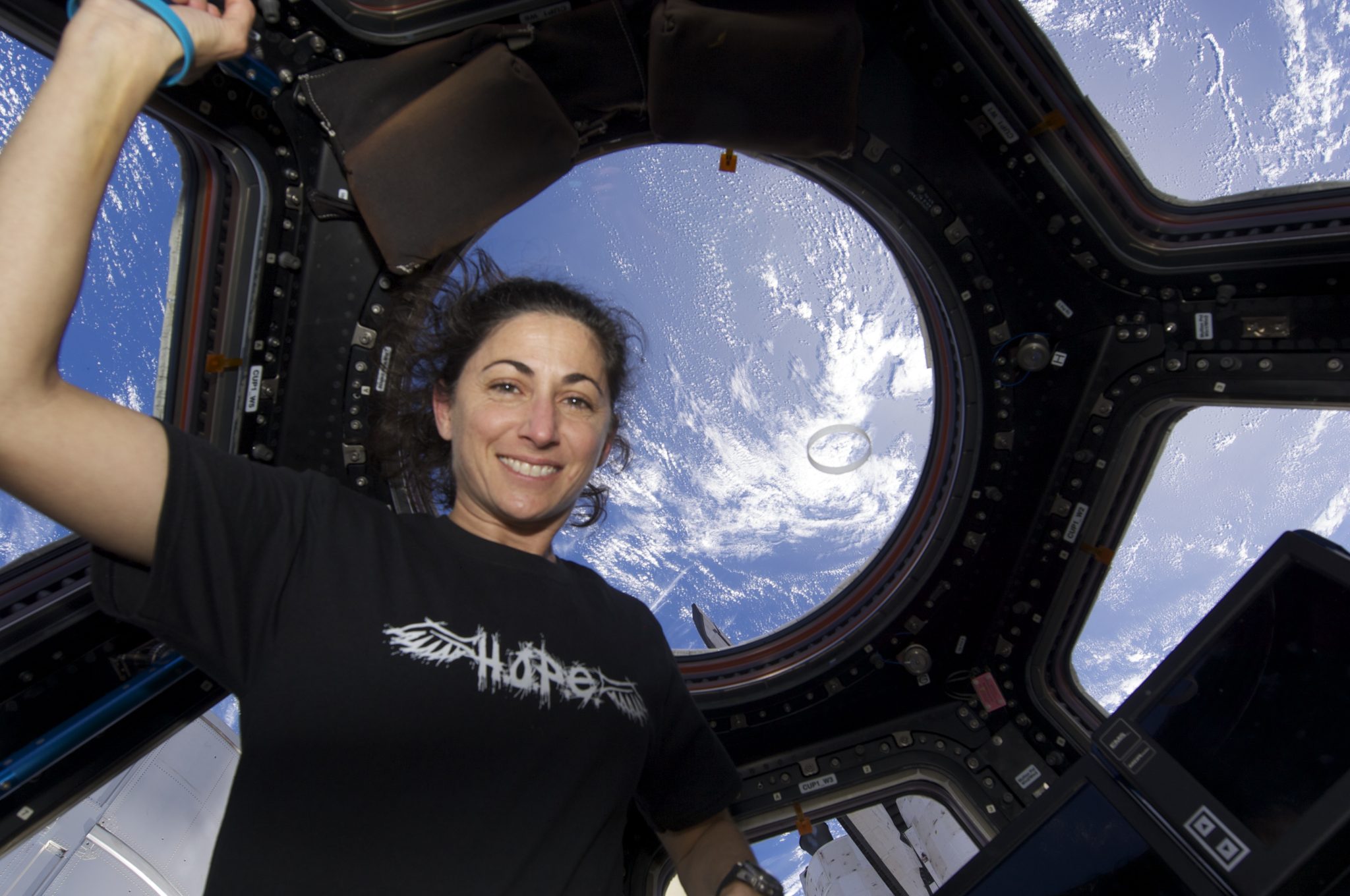
What is one takeaway that you are hoping participants leave with?
The absolute most important one for me is that first, you remember that you live on an ocean planet in space. This is your spaceship and one of the most important things you can do in life is to accept your role as a crewmate, not a passenger on our planetary spaceship.
To learn more or register to attend, visit our 2026 ABET Symposium website.