At the ABET Symposium 2026, student voices helped shape the conversation. Undergraduate and graduate students participated in dedicated engagement opportunities designed to explore how students experience accreditation, understand educational quality and envision their role in shaping the future of engineering and computing education. “One of the goals of this initiative was not simply to invite students into the conversation, but to ensure they were informed, prepared and empowered to contribute thoughtfully,” said ABET President Dr. Sarah Rajala. “I’m proud to see this work helping ABET better understand how students experience and value quality assurance.” Dr. Jason Blackstock and Alana Heath hosted a session during the Symposium around this called “Student Workshop – Imagine a world: co-creating the future of technology.”
Students Explore the Value and Impact of Accreditation
Through focus groups, workshops and collaborative discussions, students shared candid insights about awareness, involvement and the value of accreditation from the learner’s perspective. For many student participants, the symposium offered their first meaningful introduction to accreditation and the role it plays in shaping academic experiences and professional preparation. North Carolina State University (NCSU) student Shree Manian described the symposium as both educational and empowering. “Attending the ABET Symposium was a wonderful opportunity and way to see how engineering education continues to evolve to support student success,” Manian said. “It was great to have my voice heard and be a part of important conversations!”

Fellow NCSU student Grant Ozaki emphasized the value of connecting with educators, accreditation professionals and institutional leaders from around the world. “I enjoyed the opportunity to engage with professors, ABET representatives and education-focused professionals from around the world,” Ozaki said. “The symposium provided valuable insight into the accreditation criteria and the ways institutions are working to improve student learning outcomes.” Ozaki noted that the experience encouraged him to think more intentionally about mentorship, curriculum design and the qualities of effective academic environments. “It also reinforced the importance of collaboration among students, faculty and accrediting organizations in shaping learning environments,” he added.
Connecting ABET Student Outcomes to Future Careers
Helping facilitate many of these conversations was Clemson University Ph.D. candidate and former ABET intern Makayla Headley, whose research focuses on engineering students’ awareness and perceptions of ABET Student Outcomes.
Headley hosted a Discussion Den session focused on students in accreditation and described the symposium as a meaningful opportunity to connect research with practice. “Being an ABET intern has strongly supported the development of my Ph.D. dissertation topic,” Headley said. “The faculty and staff who participated provided valuable insights and shared many of the same beliefs I hold regarding the importance of student involvement in program accreditation.” Her research explores how students understand ABET Student Outcomes and how those outcomes connect to future engineering careers. “My dissertation examines engineering students’ knowledge, awareness and perceptions of ABET Student Outcomes, as well as how they connect these outcomes to their future engineering careers,” she said.
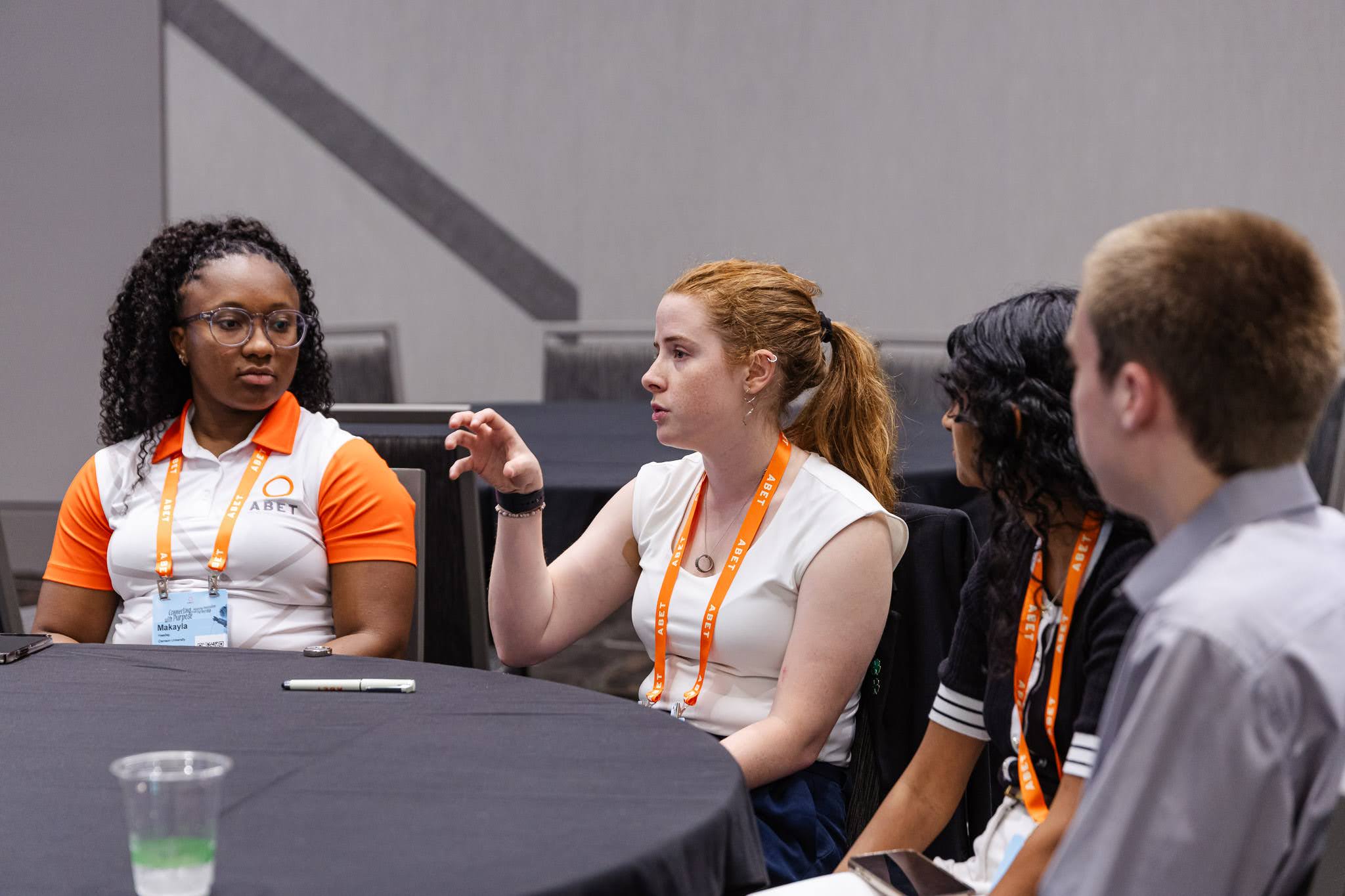
Headley noted that one of the most important takeaways from the symposium was the recognition that students are eager to engage once they understand the purpose and impact of accreditation. “The focus group gave students a better understanding of what ABET is and its purpose, especially since only one of the three undergraduate students initially knew what ABET was,” Headley explained. “More importantly, once students understood ABET’s purpose, they expressed genuine interest in becoming involved.”
She believes that increasing student awareness and participation can strengthen accreditation efforts and improve educational experiences across institutions. “I strongly believe that student perspectives are important and valuable in program accreditation because students are the primary beneficiaries of accredited programs,” Headley said.
Conversations That Strengthen Educational Quality
Faculty and accreditation leaders who participated in the initiative echoed the importance of incorporating student perspectives more intentionally into accreditation conversations.
“It is so wonderful that ABET is reaching out to include the student voice on the value and impact of accreditation,” said Jerome P. Lavelle, Ph.D., associate dean for academic affairs in the College of Engineering at NCSU. “Including this important constituent perspective should open new avenues and issues leading to better services, improved processes and an even higher value-add for all.” Jenna P. Carpenter, Ph.D. dean and professor in the School of Engineering at Campbell University and longtime ABET volunteer, emphasized that students provide perspective institutions that do not always formally capture.
“As a dean, a former department head and an ABET Team Chair/PEV, I understand the importance of both educating and engaging our students in the accreditation process,” Carpenter said. “Their perspective on the value of accreditation and their thoughts on how to amplify the benefits to prospective and current students are an important aspect.”
Continuing the Conversation Around Student Voice
For ABET, this initiative represents an important step toward strengthening dialogue with one of higher education’s most important stakeholders: students themselves.
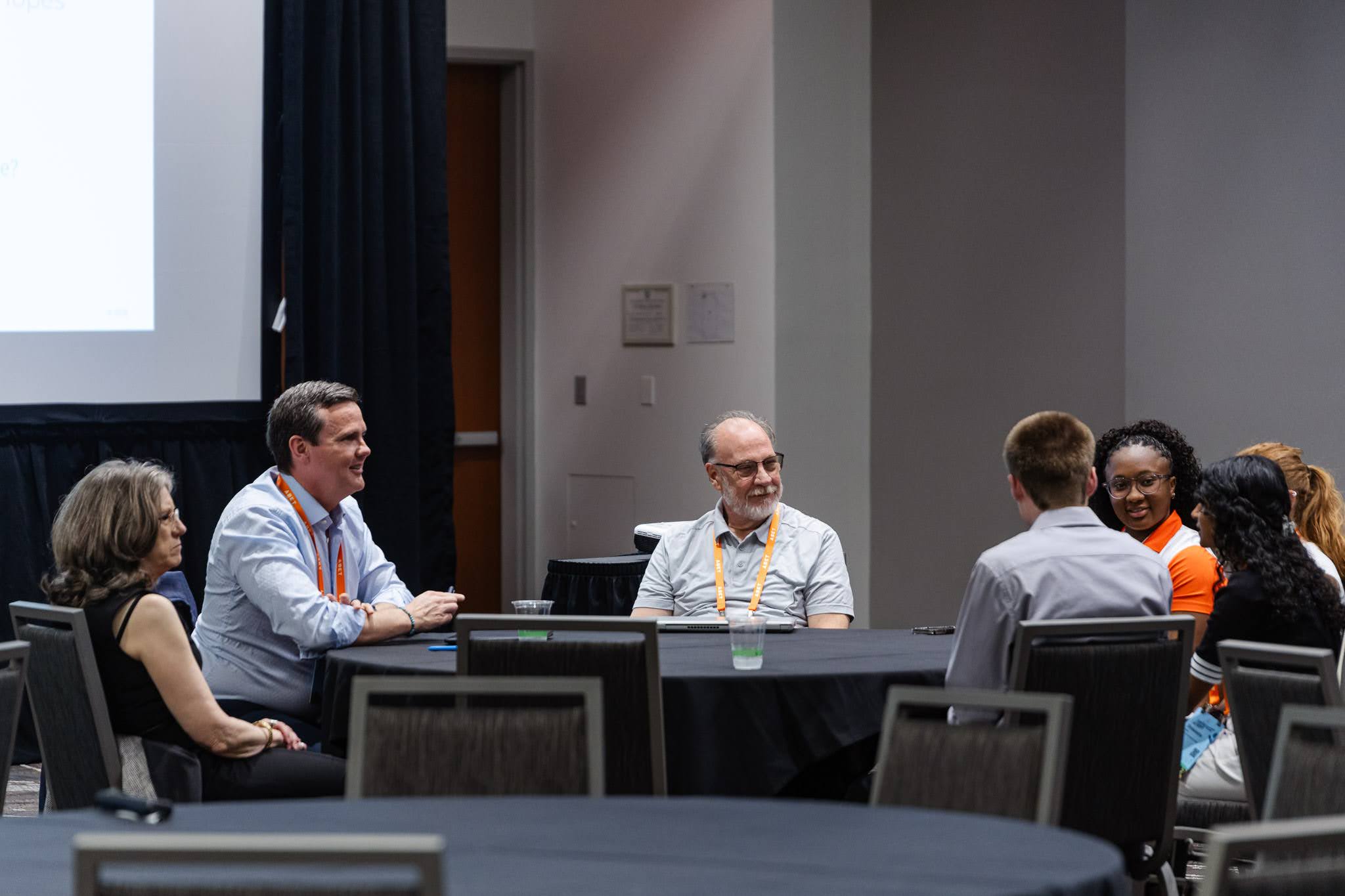
“I appreciate the students who dedicated their time and perspectives to this effort, as well as the volunteers and staff who helped bring the initiative to life,” Rajala said. “Their engagement reflects the kind of collaborative spirit that strengthens both education and the professions we serve.” By creating space for students to share experiences, ask questions and contribute ideas, the ABET Symposium 2026 demonstrated how collaborative engagement can strengthen both accreditation and the future of higher education.