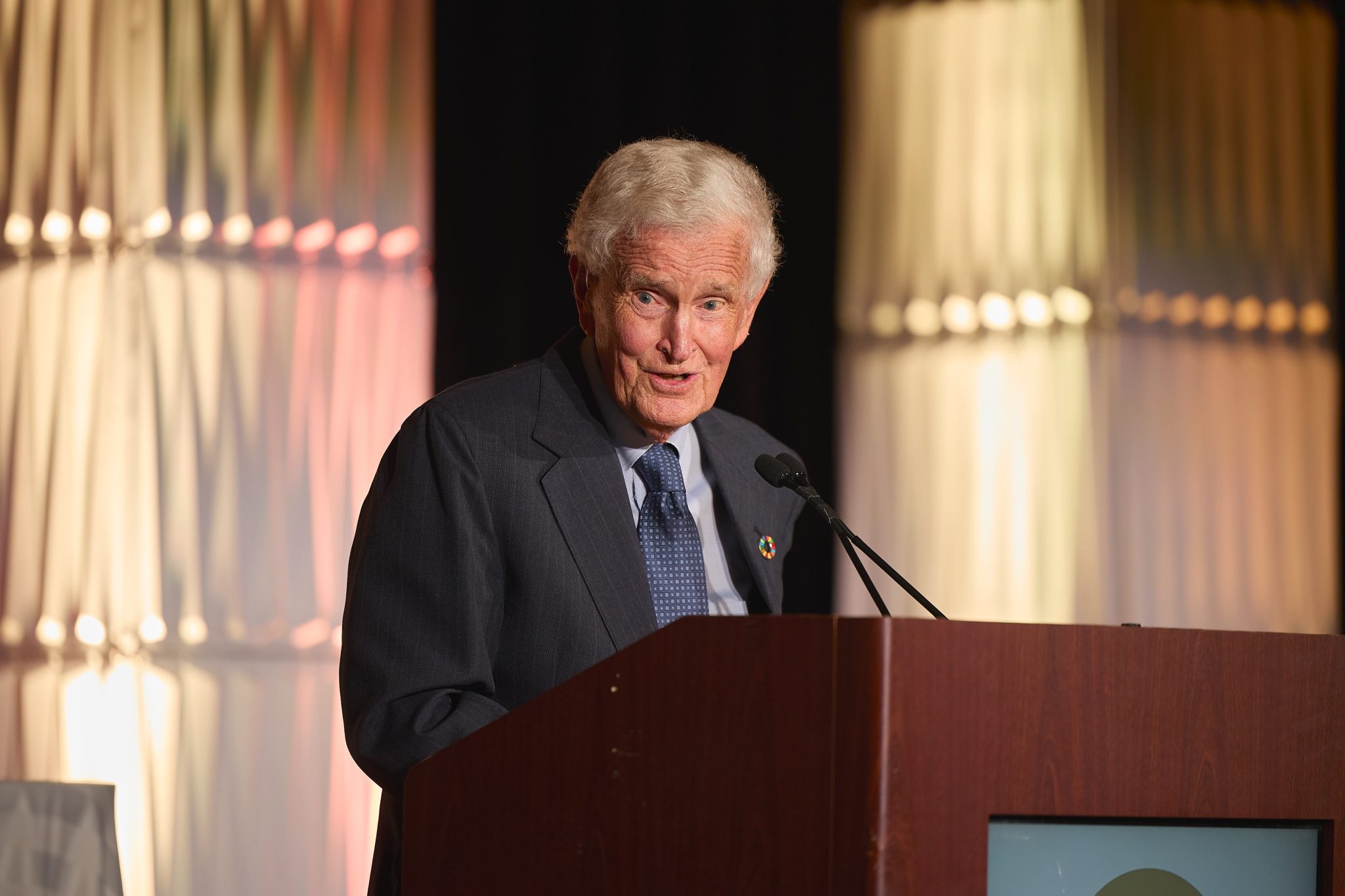
In February 1994, a short letter traveled from an engineering consulting firm in Plymouth, Michigan, to a civil engineering professor at the University of Nebraska. “Enclosed is a first draft of the ‘Rationale’ for the proposed motion,” Richard O. Anderson, P.E., wrote to William E. Kelly, Ph.D. The subject line read “Sustainable Development in ABET/EAC General Criteria.”
The motion, prepared for the ASCE Committee on Curricula and Accreditation, proposed one change to the engineering design section of the ABET/EAC General Criteria. To the existing list of realistic constraints (economic factors, safety, reliability, aesthetics, ethics and social impact), it would add “the concept of sustainable development.”
The rationale Anderson and Kelly drafted made its case plainly. Sustainable development “may be the primary constraint in the design and construction of engineering projects in the next century,” they wrote, and the concept applies “to all engineering disciplines,” not only civil engineering. Recognizing it in the criteria was, in their words, “a small step in raising the awareness level of our students and faculty.”
A Long View Carried Forward
That step came early. ABET adopted Engineering Criteria 2000 in 1997, shifting accreditation toward learning outcomes. Later versions of the criteria asked graduates, under Criterion 3(c), to design within realistic constraints that explicitly included sustainability. When the EAC revised Criteria 3 and 5, the approved definition of engineering design again named sustainability among the factors engineers must weigh.
Kelly was present for much of that journey. He served on the Engineering Accreditation Commission from 1993 to 2003 and chaired it in 2001 and 2002. He led the School of Engineering at The Catholic University of America as dean from 1996 to 2001. As dean, he served on the board of JETS, helping steer pre-college engineering outreach. After returning to the faculty in 2001, he focused on bringing engineering standards and sustainability into the design curriculum, the same kind of realistic constraints he had championed in 1994. From 2007 until his retirement in 2015, he was Director of External Affairs at ASEE, where his responsibilities included the Engineering Deans Council and ASEE’s ABET accreditation work. At ASEE, he authored the 2013 report Transitioning Veterans to Engineering Related Careers, drawn from an NSF workshop on helping veterans move into engineering fields. He is a Fellow of both ASCE and ABET.
Teaching, Writing and Connecting to the Global Goals
Retirement did not slow his advocacy. Kelly has taught sustainability as practitioner adjunct faculty at George Mason University. He has served on ASCE’s Committee on Sustainability and the NAE Center for Engineering, Ethics, and Society Advisory Group, and he co-edited ASCE’s Engineering for Sustainable Communities: Principles and Practices (2017). In papers and in a 2016 brief for the UN Global Sustainable Development Report, he has argued that engineering education is central to meeting the UN Sustainable Development Goals.
His work also reaches well beyond U.S. accreditation. Through the World Federation of Engineering Organizations (WFEO), UNESCO‘s longtime partner on engineering and the organization behind the UNESCO World Engineering Day for Sustainable Development, he has helped carry engineering’s sustainability agenda to the United Nations. As a member of WFEO’s UN Relations Committee, he spoke at the 2019 SDG Summit, reported on the 2018 ECOSOC Partnership Forum and contributed to UN work on engineering standards for a changing climate. In 2020, he joined WFEO’s review of the IEA Graduate Attributes and Professional Competencies framework, the global benchmark behind the Washington Accord, to reflect the Sustainable Development Goals.
Where ABET is Today
The idea in that 1994 rationale now reaches well past the criteria. In partnership with OES, ABET offers the ABET Sustainability Microcredential, a self-paced, 25-hour online program aligned with the UN SDGs. STEM students, faculty and practitioners who complete it earn a verified digital badge.
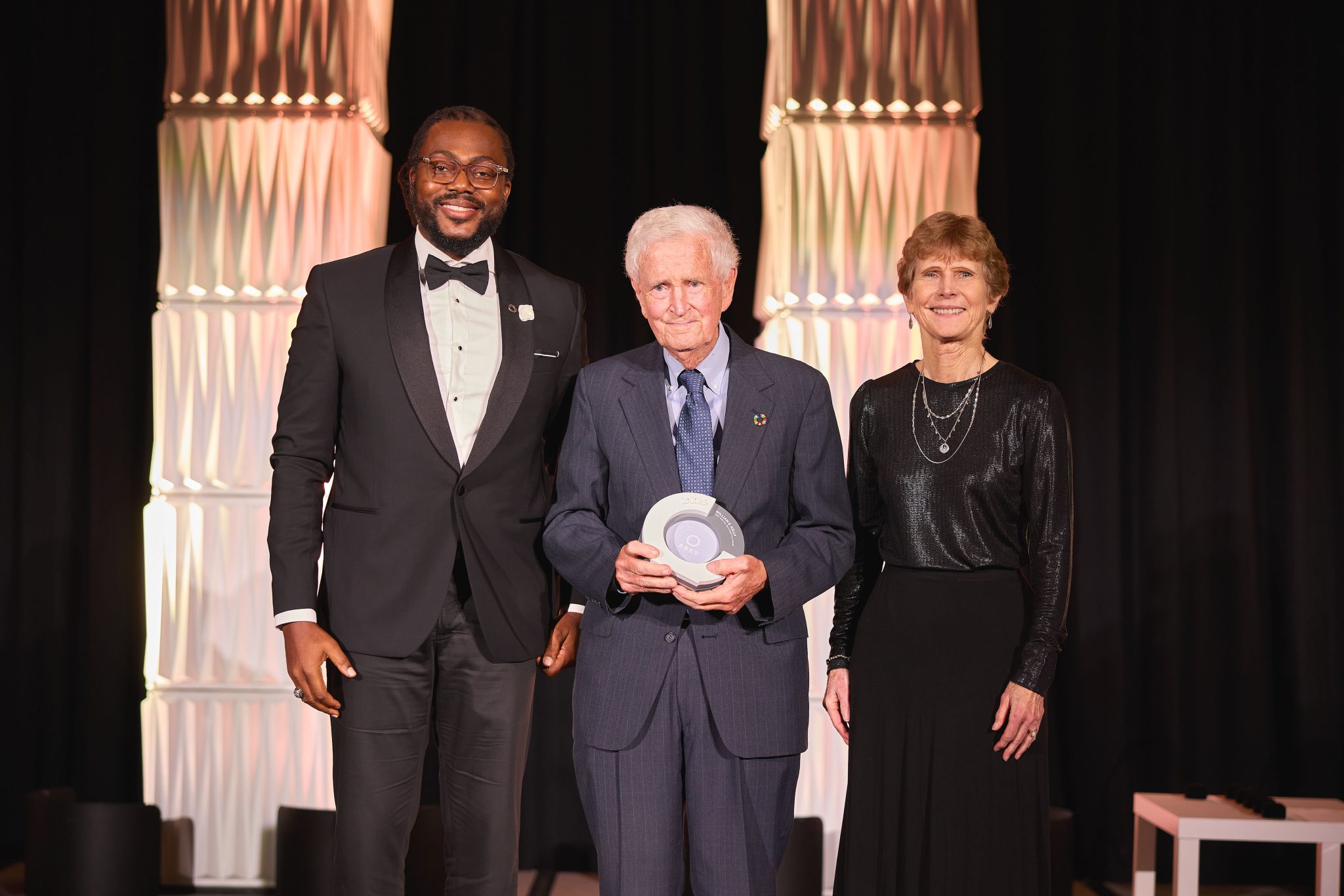
This year, ABET honored Kelly with its Special Recognition Award, presented November 6 at the 2026 ABET Awards Celebration in Baltimore. He received this honor for his visionary and tireless contributions to the development of the ABET Sustainability Microcredential course.
More than three decades after a “choppy” first draft crossed his desk, the constraint he helped name has become one every engineering graduate is expected to weigh.
Learn more about the ABET Sustainability Microcredential